




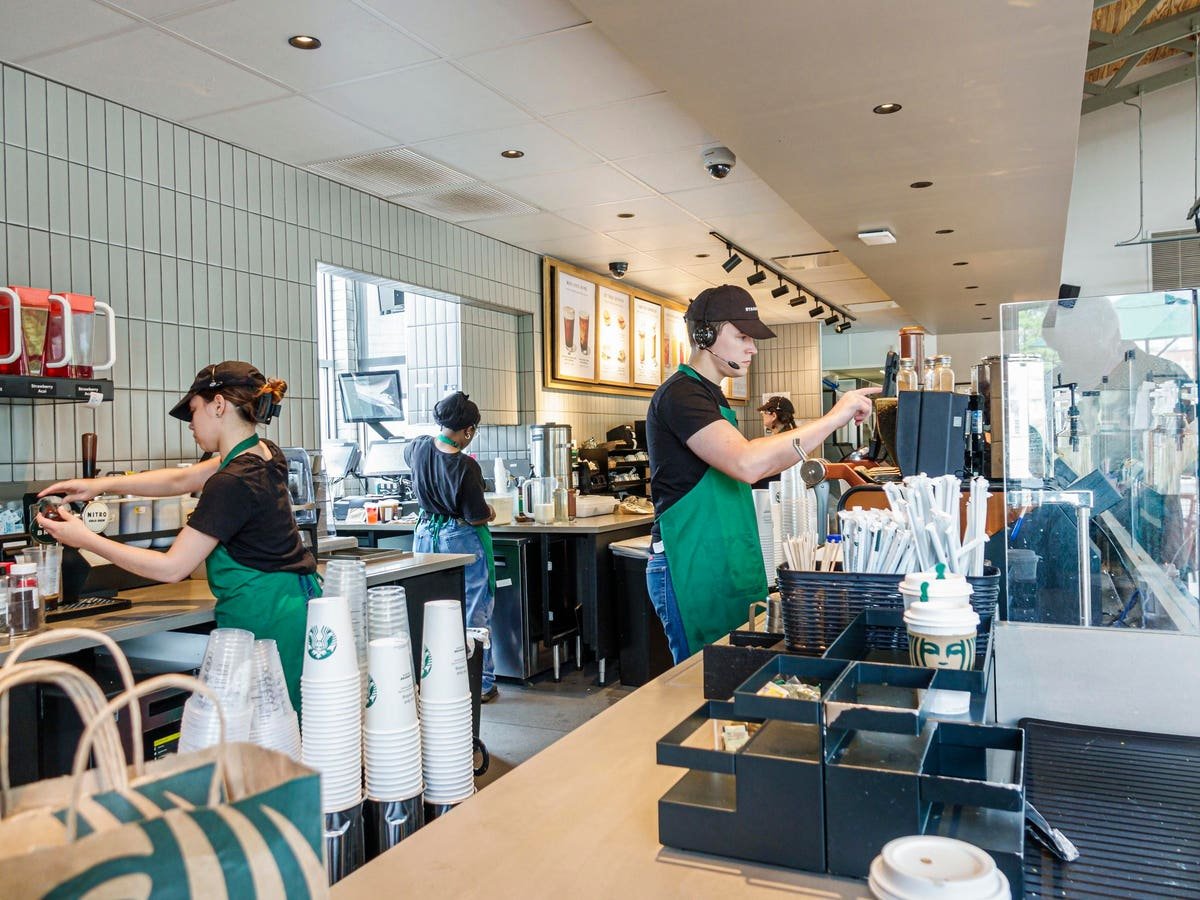
Starbucks is launching a new creator program in partnership with TikTok.
Gado via Getty Images
For years, brands looked to creators outside of their organizations who could make their products feel more authentic. Starbucks believes the next great creators may already be working there.
Instead of relying solely on outside creators, Starbucks invests in the people who already represent the brand every day. Along with TikTok, the company launched a first of its kind Network of creatorsbuilding on it Green Apron Creators Program to empower employees to tell their own stories.
It’s a sign that creator marketing is evolving. Some of a brand’s most trusted voices may already be on its payroll.
Here’s what marketers can learn from Starbucks’ approach, and why building a successful employee-generated content program takes a lot more than just giving employees a camera.
Employees are the new layer of Influencer Marketing
Five years ago, brands asked which creators to hire. Today, more of them are asking who within the company is already influencing customers.
The creator economy has trained brands to look outward for people with established audiences who could introduce products to new communities.
The creator economy has trained brands to look outward for people with established audiences who could introduce products to new communities. But employees bring something that influencers often can’t: first-hand expertise, day-to-day experience with the product, and a genuine connection to the brand.
One of the first examples came during the pandemic, when Tony Piloseno (@tonesterpaints) built a devoted audience by sharing engaging color mixing videos while working part-time at Sherwin-Williams. His content attracted millions of views and introduced a younger generation to the color category through entertaining, behind-the-scenes storytelling.
After suggesting the company use TikTok to reach younger consumers, Piloseno says that opportunity declined. He was later fired for what Sherwin-Williams described as gross misconduct, including filming during work hours and using company equipment.
For many marketers, the Piloseno story became less about color and more about a missed opportunity. Instead of embracing an employee who had developed a genuine enthusiasm for their products, Sherwin-Williams became a cautionary tale of how brands often viewed employee creators as liabilities rather than assets.
Staples offered a different plan. When Kaeden Rowlandbetter known online as the “Staples Baddie,” began posting TikToks showcasing the retailer’s lesser-known printing services, Staples embraced the momentum. Her content resonated because it felt less like an advertisement and more like an insight from someone who really understood the business.
If Tony Piloseno represented what happened when brands ignored employee creators and Staples showed what was possible when they embraced them, Starbucks is taking the next step by building an entire system around them.
Unlike traditional employee outreach programs that encourage employees to share company messages, the Starbucks Creator Network empowers employees to create original content in their own voices while providing the structure and resources to help them succeed.
The best employee-generated content can’t be manufactured
Brands have spent years investing in external creators because they provide reach, creativity and an established audience. Employees offer something different: earned credibility.
Customers recognize the difference between someone hired to promote a product and someone who works with it every day. This familiarity creates a level of trust that scripted campaigns typically struggle to achieve.
Trust has become one of the most valuable currencies in marketing. 81% of consumers they consider trust essential when making purchase decisions. Employee-generated content (EGC) gives customers a window into the people behind the brand, whether it’s a barista sharing their favorite drink order or a daily behind-the-counter video. By investing in employee creators from the ground up, Starbucks recognizes that some of the best stories from the people closest to the customer can build trust in ways that traditional marketing often cannot.
What brands can learn from Starbucks
The good news is that creating an employee-generated content program doesn’t require thousands of employees to create content. It starts with identifying the people who already enjoy telling your brand story and giving them the support to do it well.
The goal is not to turn every worker into a creator. It’s about identifying employees who already enjoy creating content and giving them the support to do it well.
First, identify your natural storytellers. Many employees are already educating customers, documenting their work, or building online communities without being asked.
Then provide guardrails instead of scripts. Clear brand guidelines and training help employees create with confidence. Additionally, recognize content creation as valuable work. Whether it’s pay, career development or revenue sharing, rewarding employees shows that their creative contributions are part of the brand’s long-term strategy.
Finally, treat employee-generated content as a complement to influencer marketing, not a replacement. External creators introduce brands to new audiences. Employee creators deepen their credibility with existing ones. Together, they create a more complete and authentic brand story.
The next chapter of creator marketing
The future of creator marketing is not about replacing influencers. It’s about expanding the definition of who a creator can be.
For years, brands have invested in creators because audiences trust people more than traditional advertising. Starbucks is betting that some of the people consumers trust most are the ones who make their coffee, answer their questions and represent the brand every day.
The next generation of creator marketing may not start with recruiting someone new. It can start by empowering the people who already know the brand better.
