




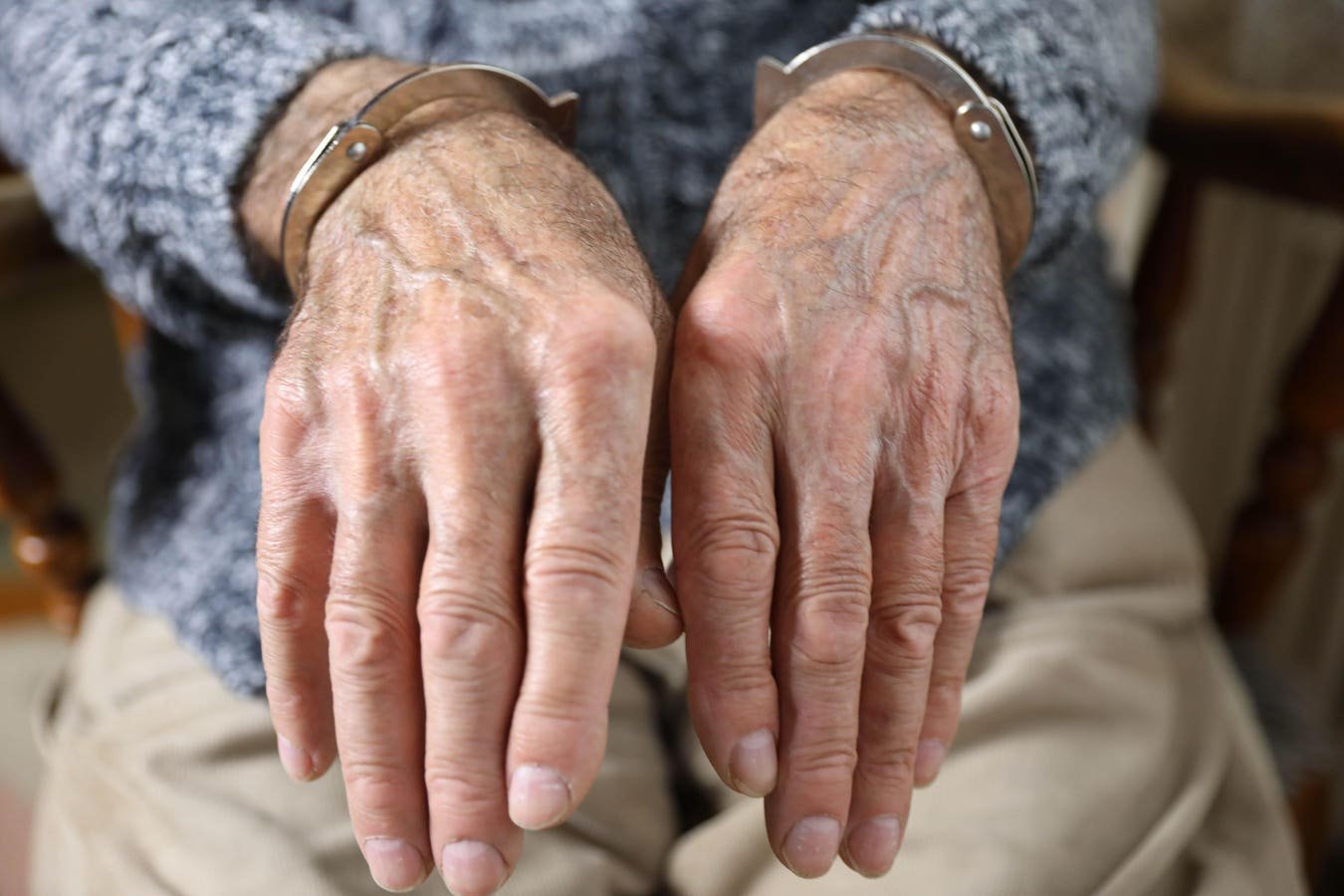
There is growing evidence that incarceration leads to premature deaths. Life expectancy is a growing part of the problems with incarceration, even as inmates grow up in prison.
getty
A growing body of research is revealing what many formerly incarcerated people have long understood through lived experience: the consequences of incarceration do not end with release. Beyond barriers to employment, housing and social reintegration, incarceration appears to leave a lasting biological imprint that follows people into old age.
A recent analysis published by the Prison Policy Initiative highlights new research showing that incarceration is associated with shorter life expectancy and a significantly higher risk of premature death in the elderly. The findings raise important questions about how policymakers, health care providers, and corrections officials understand the long-term health consequences of incarceration in America.
Research links incarceration and mortality
In a June 2026 report, “New Research: How Past Incarceration Affects People Later in Life,” Prison Policy Initiative researcher Emily Widra reviewed two studies led by Professor Carmen Gutierrez and her colleagues examining health outcomes among older adults with a history of incarceration. Studies have found that previous incarceration is associated with both accelerated aging and reduced life expectancy later in life. According to the report, seniors who experienced incarceration had a shorter life expectancy than comparable people who had never been incarcerated.
The latest study, published in the May 2026 American Journal of Public Health, analyzed data from the nationally representative Health and Retirement Study, which tracks thousands of Americans over age 50. The researchers controlled for many factors, including childhood health and economic circumstances, to isolate the relationship between incarceration history and mortality risk. As summarized by the Prison Policy Initiative, older adults who had been incarcerated faced an 88% higher risk of premature death than peers who had never been incarcerated.
Perhaps most striking was the effect on longevity itself. The research found that older adults with a history of incarceration were expected to live nearly six fewer years than similarly situated individuals without a history of incarceration. Among men between the ages of 50 and 75, the gap approached eight years.
Aging faster behind bars
The emerging evidence builds on years of research suggesting that incarceration accelerates the aging process.
Researchers have increasingly described incarcerated populations as experiencing “accelerated aging,” meaning that health conditions typically associated with older age often appear much earlier among people who have spent time in correctional institutions. The Prison Policy Initiative report notes that previous research has already shown that incarceration contributes to normal aging and shorter life expectancy overall. The new studies extend this understanding by looking at what happens decades after incarceration ends.
In a published peer-reviewed research article by Evelyn J. Patterson, Each additional year of incarceration produced a 15.6% increase in the odds of death for parolees, which translated into a 2-year reduction in life expectancy for each year spent in prison. The risk was highest at release and decreased over time.
That research, cited approvingly in many federal court and state supreme court opinions, is increasingly finding its way into mitigation petitions for those facing long prison terms. I reached out to Mark Allenbaugh who is its President & Director of Research SentencingStats.coma firm that uses US Sentencing Commission statistics and BOP data to help attorneys introduce empirically-based mitigation arguments to support less onerous sentences. “There is growing evidence that long-term incarceration significantly reduces life expectancy,” Allenbaugh told me, “and the reasons for this are many. In general, prisons are poorly run and chronically understaffed, which negatively affects their ability to provide even a modicum of appropriate medical and psychological health care. Patterson’s seminal research.
These influences are suicide, violencesocial disconnection and poor medical care contribute, but there is no influence that leads to reduced life expectancy.
Growing Population of Older Formerly Incarcerated Americans
The effects extend far beyond a small segment of the population.
America’s era of mass incarceration has created a rapidly expanding population of older individuals with a history of incarceration. According to the Prison Policy Initiative, three out of four people released from state prisons between 1991 and 2021—more than 12 million people—would be over age 50 by 2026.
As this population ages, health care systems will increasingly encounter patients whose incarceration experiences may shape their medical risks decades later. However, incarceration history remains largely absent from traditional health assessments and public health programming.
The research suggests that incarceration may need to be addressed not just as a criminal justice issue but as a public health concern with consequences that span an individual’s lifetime.
Because prison can shorten life
The studies themselves do not establish a single causal mechanism that explains why formerly incarcerated people die earlier. Instead, the researchers point to a combination of interrelated factors.
People entering correctional facilities often come from communities already experiencing poverty, inadequate access to health care, housing instability, and chronic stress. Incarceration can exacerbate these disadvantages through exposure to institutional stress, interruption of medical care, poor nutrition, social isolation, risks of infectious disease, and limited opportunities for preventive health care.
Research examining prison health systems has repeatedly documented concerns about delayed diagnoses, insufficient medical staff and barriers to treatment. Experts have argued that incarceration can worsen existing health conditions while simultaneously creating new ones.
Formerly incarcerated people also often face significant barriers after their release. Employment discrimination, unstable housing, limited access to health care, and persistent social stigma can contribute to chronic stress and poor health outcomes over time.
Recent research from Connecticut found that formerly incarcerated men experience significantly higher rates of economic hardship, food insecurity, unemployment, untreated physical health problems, and mental health challenges than the general population. The researchers described these difficulties as continuing long after release.
A public health issue hiding in plain sight
Historically, discussions of incarceration have focused on crime, punishment, rehabilitation, and public safety. Increasing life expectancy evidence suggests another lens may be necessary.
If incarceration is associated with a dramatically increased risk of mortality decades later, policymakers may need to consider correctional exposure as an important social determinant of health. This is especially true in federal prisons where sentences are long with little or no chance of a significant reduction, even in cases where health reasons are cited for parole. Public health researchers increasingly argue that incarceration ranks alongside poverty, education, housing, and access to health care as a factor shaping long-term health outcomes.
Healthcare providers may benefit from understanding patients’ incarceration history when assessing risk factors for chronic disease. Prison systems could face greater pressure to improve health care provision and conditions of confinement. Reentry programs may require stronger investments in medical continuity, mental health treatment, housing stability, and employment support.
The issue is especially important as America’s prison population grows. Older incarcerated and formerly incarcerated individuals often require more complex medical care while also facing barriers to obtaining it.
The human cost beyond statistics
While the numbers are impressive, the larger significance lies in what they represent.
A six-year reduction in life expectancy is not just a statistical result. It represents lost years with family members, missed opportunities for community involvement, shortened retirements, and increased suffering from chronic illness.
The Prison Policy Initiative’s review highlights an important reality: the effects of incarceration can linger long after the sentence is completed. The consequences appear to extend beyond employment prospects or social stigma and into the realm of biological aging and mortality itself.
As researchers continue to investigate the link between incarceration and health, one conclusion is becoming harder to ignore. The impact of incarceration may not end when the prison gates open. For millions of Americans, it can continue to affect health and longevity for the rest of their lives.
