




Several major new polls show how similarly and negatively the public views the Republican and Democratic parties. This sea of negativity seems to suggest that conditions are ripe for a third party, but they are not. A look at the data explains why.
THE Pew Research Center took a deep dive in perceptions of the Republican and Democratic parties in September, and the Harvard/Harris Center for American Political Studies released the early November poll of registered voters last week. THE Economist/YouGov poll since the beginning of November adds weight to the findings.
In the Harvard/Harris poll, 56% of registered voters disapproved and 44% approved of the way the Republican Party was handling its job. An almost identical 57% disapproved of the Democratic Party while 43% approved. Roughly equal shares in the Pew poll were angry with the GOP (49%) and, separately, with the Democratic Party (50%). Only a small number of Americans were proud of either place.
Both parties are considered extreme. A solid majority, 62%, in the Pew poll said the GOP was too extreme. Almost the same, 56%, gave this answer for Democrats. The same percentages in the Economist/YouGov poll said each party was too extreme. In the Harvard/Harris poll, a plurality, 43 percent, said the Republican Party is moving away from their personal views, and 25 percent said it is closer to them. Those responses for the Democratic Party were nearly identical, 45% and 27%, respectively. Another parallel: 40% nationally said Democrats were moving more left (42% said the party stayed the same), while 42% said Republicans were moving more right (42% stayed the same).
There is a lot of good news for Republicans in these polls. Republicans seem to have a slight edge in getting things done, even though many Americans aren’t thrilled with what’s being done. Slightly more in the Pew poll were optimistic about Republicans (36%) than Democrats, 28%. In the poll, fewer people said they were “disillusioned” with the Republican Party (64%) than the Democratic Party (75%), but both responses are still high. Frustration has grown with both parties since Pew first asked these questions in 2016. In Late October ABC/Washington Post/Ipsos poll68% said the Democratic Party was out of touch with the concerns of most Americans, and 61% gave that answer to a separate question about the GOP.
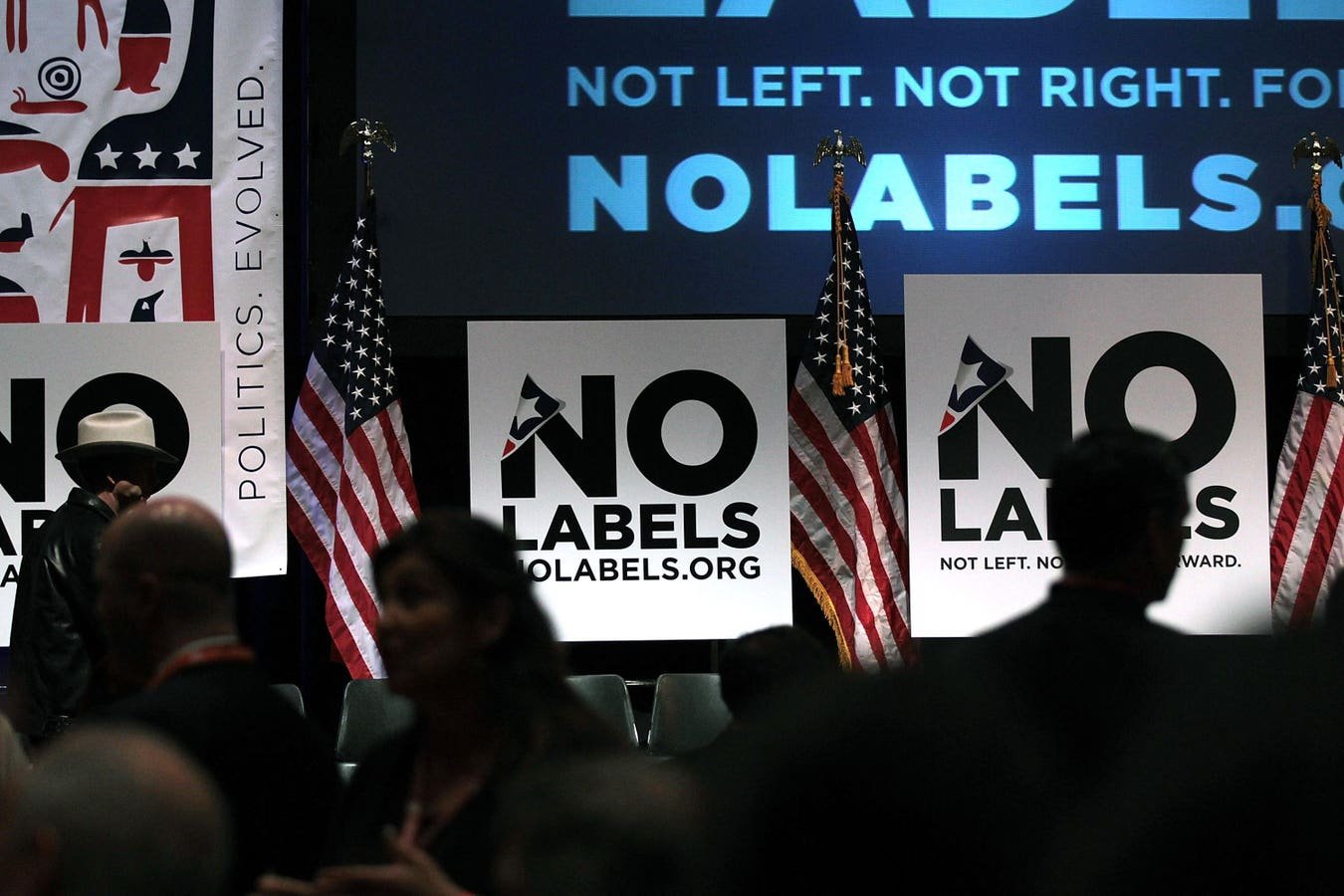
Do the overall negative findings mean there is room for a third party? A close reading of the polls shows that many Americans like them idea third party. But hypothetical questions like these are often meaningless, as a new Gallup poll shows. In The Gallup trendabout 60% over the past decade told the pollster that the two political parties “are doing such a bad job that a third major party is needed.” But when Gallup probed deeper, only 15% said they were likely to vote for a third party or independent political candidate for president. While independents were more enthusiastic about a new party, only 29% of them said they would be very likely to vote for that candidate! 7% of Democrats and 9% of Republicans gave this answer.
Skepticism about the chances of a third party is to some extent a function of the long existence of the major parties (the Democrats are the oldest, the Republicans are the third-oldest parties in the world) and the fact that the ties to the parties are deep and real things. Over time, both parties have adapted to changing opinions and new issues that keep them in business. When considering a third party, people may think of the enormous financial and organizational hurdles such a party would face. And they may worry about throwing away their vote on a new entity whose chances are slim.
But there may be another reason. Post-election polls by Pew of elections dating back to 1988 reveal satisfaction with major-party presidential candidates. In Pew’s 2024 post-election survey52% said they were very or fairly satisfied with the choice of presidential candidates, similar to the 2020 response of 56%. These are not overwhelming majorities, but they are solid. Since 1988, majorities have been satisfied in every presidential election except one, in 2016, when 44% gave that answer about their choices.
Each party still has its strengths, but neither party is seen as performing well on the issue Americans care about: higher and punishing inflation. Both parties have issues with their ends and it remains to be seen how they develop. Still, the obstacles to a third party are formidable indeed.
