


EconLearnerEconLearner
  • Business Insight
    • Data Analytics
    • Entrepreneurship
    • Personal Finance
    • Innovation
    • Marketing
    • Operations
    • Organizations
    • Strategy
  • Leadership & Careers
    • Careers
    • Leadership
    • Social Impact
  • Policy & The Economy
    • Economics
    • Healthcare
    • Policy
    • Politics & Elections
  • Podcast & More
    • Podcasts
    • E-Books
    • Newsletter
What's Hot

You can still write the IRS a check, but your refund will be direct deposit

January 28, 2026

How Oracle Database 26ai Addresses the Enterprise AI Data Paradox

January 27, 2026

Take 5: Rewriting the ad book

January 27, 2026
Facebook X (Twitter) Instagram
EconLearnerEconLearner
  • Business Insight
    • Data Analytics
    • Entrepreneurship
    • Personal Finance
    • Innovation
    • Marketing
    • Operations
    • Organizations
    • Strategy
  • Leadership & Careers
    • Careers
    • Leadership
    • Social Impact
  • Policy & The Economy
    • Economics
    • Healthcare
    • Policy
    • Politics & Elections
  • Podcast & More
    • Podcasts
    • E-Books
    • Newsletter
EconLearnerEconLearner
Home » Using mobile phone data to predict the next epidemic
Data Analytics

Using mobile phone data to predict the next epidemic

EconLearnerBy EconLearnerNovember 17, 2023No Comments3 Mins Read
Using Mobile Phone Data To Predict The Next Epidemic
Share
Facebook Twitter LinkedIn Pinterest Email

It seems unlikely. Besides, viruses don’t spread over a mobile network. they need to interact personally with people.

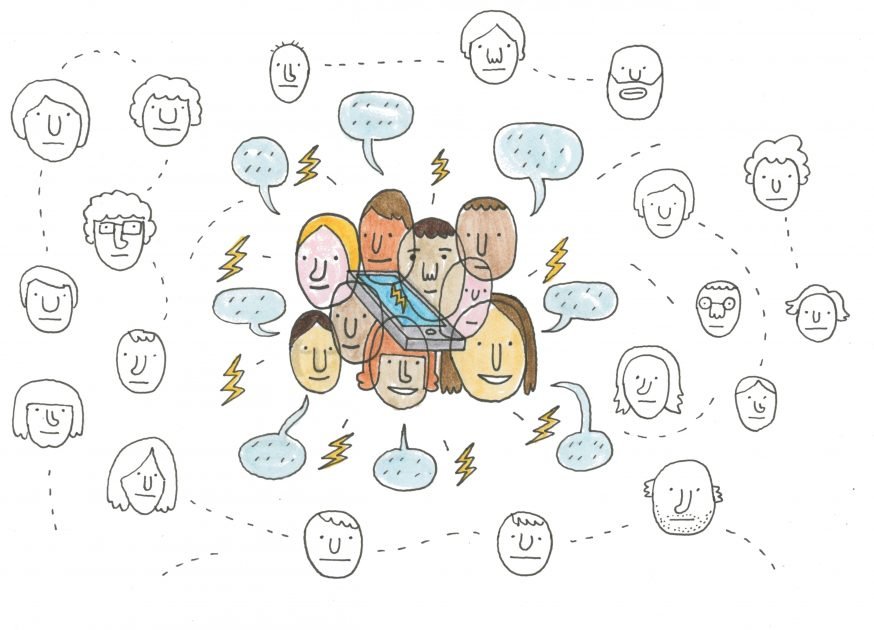
But it turns out that the patterns we call can be used to predict the patterns of where we travel, according to new research from Kellogg’s. Dashun Wang. This in turn can shed light on how an epidemic will spread.

Both phone calls and physical travel are heavily influenced by geography. The further a shopping center or post office is from our home, after all, the less likely we are to visit it. Similarly, our friends who live in the neighborhood are much more likely to hear from us often than our extended family in Alberta.

But Wang and his colleagues managed to take it a step further. By analyzing a huge amount of data about where people travel and who they call, they were able to identify the mathematical formula that depicts the relationship between how distance affects these two very different activities. This understanding provides a framework for using data about long-range interactions to predict physical interactions—and vice versa.

As humans, we don’t like to think that anyone could predict our actions, says Wang, an associate professor of management and organizations. But his evidence says otherwise. “It’s just fascinating to see this kind of deep mathematical relationship in human behavior,” he says.

Wang’s conclusions were based on the analysis of three massive amounts of mobile phone data collected for billing purposes. The data, from three nations spanning two continents, included geographic information about where cellphone users traveled, as well as information about every phone call made or received and how far a user was from the person on the other end of the line .

The discovery of this underlying relationship between physical and non-physical interactions has important practical implications. For example, the researchers were able to model the spread of a hypothetical virus, which started in a few randomly selected individuals and then spread to others in the area, using only the data about the flow of phone calls between various parties. These predictions were remarkably similar to those generated from real-world information about where users traveled and thus where they would be likely to spread or contract a disease.

“I think this is a great example to illustrate the opportunities created by big data,” says Wang. “The work represents an important step in our quantitative understanding of how geography governs how we are connected. These insights can be especially important in an increasingly interconnected business world.”

data epidemic mobile phone predict
nguyenthomas2708
EconLearner
  • Website

Related Posts

How Oracle Database 26ai Addresses the Enterprise AI Data Paradox

January 27, 2026

Do you really need all this data?

January 15, 2026

A cholera epidemic is spreading rapidly throughout the country

October 25, 2025

China has an underwater data center. The US will build them in space

October 20, 2025
Add A Comment

Leave A Reply Cancel Reply

Personal Finance

How to Replace a 6-Figure Job You Hate With a Life That You Love

February 10, 2024

How To Build An Investment Portfolio For Retirement

February 10, 2024

What you thought you knew is hurting your money

December 6, 2023

What qualifies as an eligible HSA expense?

December 6, 2023
Latest Posts

You can still write the IRS a check, but your refund will be direct deposit

January 28, 2026

How Oracle Database 26ai Addresses the Enterprise AI Data Paradox

January 27, 2026

Take 5: Rewriting the ad book

January 27, 2026

Subscribe to Updates

Stay in the loop and never miss a beat!

At EconLearner, we're dedicated to equipping high school students with the fundamental knowledge they need to understand the intricacies of the economy, finance, and business. Our platform serves as a comprehensive resource, offering insightful articles, valuable content, and engaging podcasts aimed at demystifying the complex world of finance.

Facebook X (Twitter) Instagram Pinterest YouTube
Quick Links
  • About Us
  • Contact Us
  • Privacy Policy
  • Terms and Conditions
  • Disclaimer
Main Categories
  • Business Insight
  • Leadership & Careers
  • Policy & The Economy
  • Podcast & More

Subscribe to Updates

Stay in the loop and never miss a beat!

© 2026 EconLeaners. All Rights Reserved

Type above and press Enter to search. Press Esc to cancel.