




Georg Beyschlag, President of America at TeamViewer.
The manufacturing industry is undergoing transformation as it embraces Industry 4.0 and smart factories are at the forefront. Smart factories represent an advanced form of manufacturing where technology and data work together to increase efficiency, productivity and innovation.
By incorporating technologies such as augmented reality (AR) and artificial intelligence, smart factories are revolutionizing the way goods are produced around the world. However, there are key factors that must be considered to ensure that this transformation is successful.
Bridging IT and OT
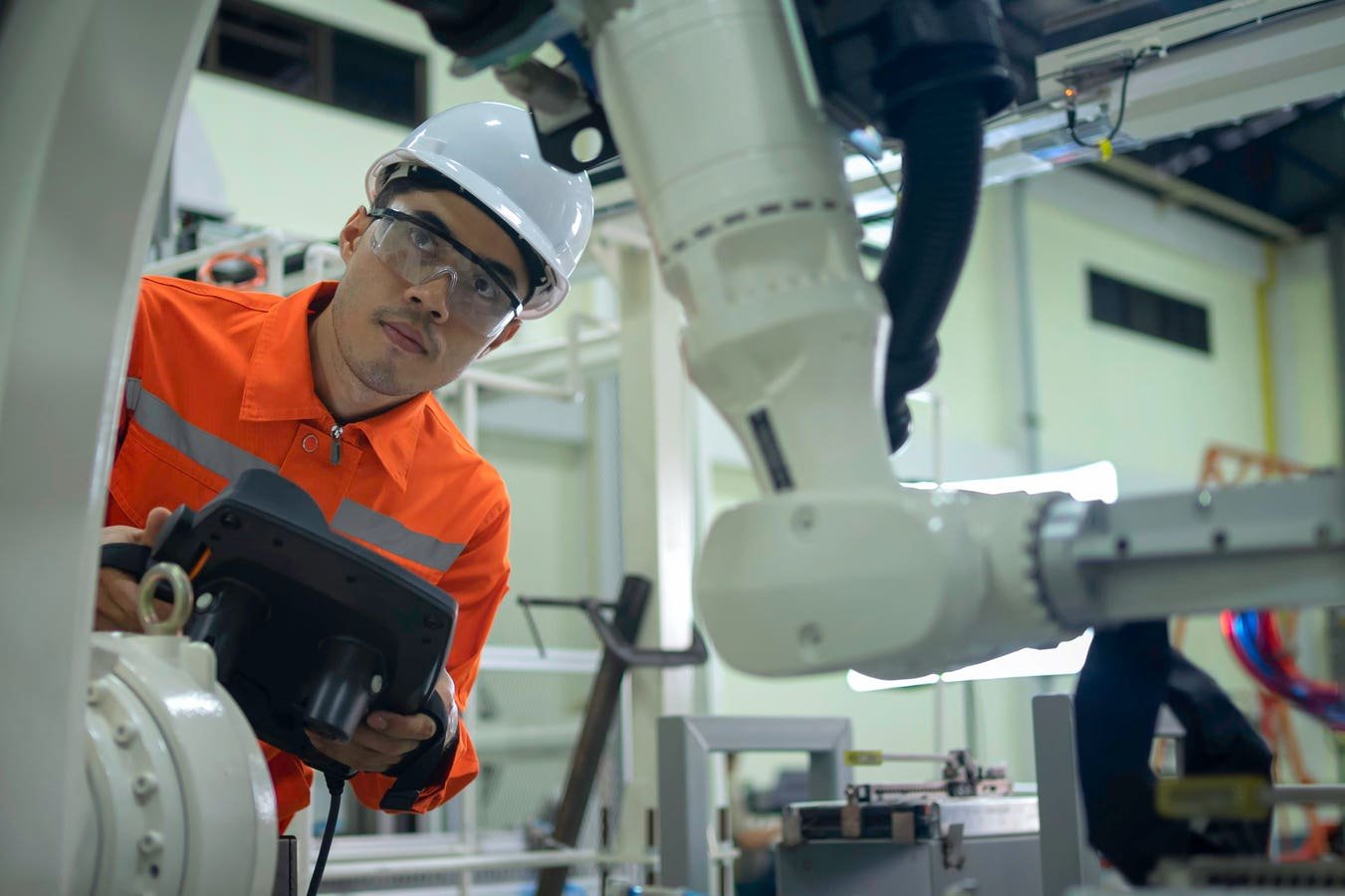
At the heart of smart factories is the seamless integration of information technology (IT) and operational technology (OT). Traditionally, these two areas operate in silos, with IT focusing on data management and OT dealing with machinery and industrial processes. However, to make a factory smart, these two sides must come together.
IT managers and facilities managers have different views and priorities about how to capture and use data. IT people are well versed in cutting edge technologies and how to leverage data to identify inefficiencies, while facility managers often take a more traditional approach, undermining the potential and benefits that data can bring to their plant.
There is still a significant gap in how the two groups embrace new technology, with 83% of IT decision makers using AI at least once a week and 42% using it every day, while just 72 % of OT teams use technology once a week and 25% every day, according to survey by my company.
The real challenge in combining the two is aligning the goals of IT and OT. Fortunately, both want the machines to work together seamlessly and efficiently and just need to see eye to eye.
To achieve this alignment across teams, organizations should establish regular cross-functional meetings between IT and OT teams. Most importantly, they should create common performance metrics that emphasize both operational efficiency and technological innovation. This will ensure that both teams gain a deeper understanding of each other’s priorities and work together more effectively to achieve common goals.
Once these groups are aligned, a robust data infrastructure can be created, enabling physical machines to be connected to digital processes. This creates a solid foundation for smart factory technologies such as predictive maintenance, asset management, real-time monitoring and more.
Making decisions with data
With OT and IT together, a critical element of smart factories can thrive: data. Real-time data collection, analysis and sharing enables manufacturers to optimize processes, reduce errors and improve sustainability. Technologies such as digital twins and AI-based analytics help manufacturers predict maintenance needs, adjust production schedules and make informed decisions on the fly.
For example, factories that embrace digitization are better equipped to handle demand fluctuations, supply chain disruptions, and labor shortages. Large manufacturers operating global facilities rely heavily on real-time data to improve their supply chain visibility and agility. Effective supply chain and supply chain management is critical to increasing profitability and maintaining competitiveness in a global market.
Use AR to increase efficiency
With data used appropriately, AR can play a critical role in improving efficiency. AR technologies such as smart glasses give frontline workers hands-free access to real-time information, helping to improve accuracy and productivity. These types of apps allow workers to follow step-by-step instructions right in their field of vision, eliminating the need to flip through bulky manuals or rely on supervisors for routine tasks.
Hyundai Motor Company (TeamViewer customer) is an example of a manufacturer using AR at their smart factory facility in Singapore. In addition to robots and artificial intelligence, the company uses AR to support assembly, maintenance, quality management and workforce training. This integration has improved workflow efficiency, quality control and employee onboarding.
Similarly, Boeing has implemented AR technology in 15 global facilities to streamline aircraft assembly and maintenance. Using AR headsets, technicians achieved 88% first-pass accuracy and reduced task time by 20% on complex operations.
While smart factories focus on automating processes and incorporating advanced technologies, human workers remain essential to factory operations. However, the role of these workers is evolving: as smart technologies take over repetitive tasks, frontline workers can shift their focus to more complex technology-based responsibilities.
Strengthening Sustainability
Beyond enhancing productivity and efficiency, sustainability is another factor to consider. By successfully optimizing processes, reducing energy consumption and improving production accuracy, smart factories can contribute to a lower carbon footprint and reduced waste. Technologies such as AR in warehouses help minimize errors and streamline order fulfillment, further enhancing operational efficiency and sustainability.
Augmented reality and smart factory technologies are playing an increasingly important role in achieving corporate sustainability goals. Effective predictive maintenance can lead to benefits such as up to 20% increased equipment uptime and up to 50% reduced maintenance time, according to Deloitte.
Similarly, smart factory technology such as digital twins (a virtual representation of an object or system) can have a significant impact on production sustainability. For example, the LG Electronics factory in Changwon, Korea, improved productivity by 17%, product quality by 70% and reduced energy consumption by 30%. They did this by turning the assembly line tool into a digital twin by continuously integrating real-time production data into the system.
These solutions enable just-in-time production, reducing the potential for waste and excess inventory while improving resource efficiency.
Preparing for the future of manufacturing
The shift to smart factories is not just about modernization. it is a strategic move towards future production activities. The beginning of this transformation starts with bridging the gap between IT and OT by creating cross-functional teams and common KPIs. From there, you can begin to explore various AR technology partners and other sustainability-enhancing technologies such as digital twin technology. By taking action in each of these areas, manufacturers can begin to build smart factories that offer unparalleled advantages in productivity, quality control and sustainability.
As manufacturers continue to navigate this evolving landscape, the strategic adoption of smart factory technologies can help meet the challenges of tomorrow. With the right digital tools and a focus on IT and OT alignment, factories can bridge the gap between the physical and digital worlds, creating a future where machines, data and human workers work seamlessly together to drive the manufacturing industry forward.
Forbes Technology Council is an invitation-only community for world-class CIOs, CTOs and technology executives. Am I eligible?
