











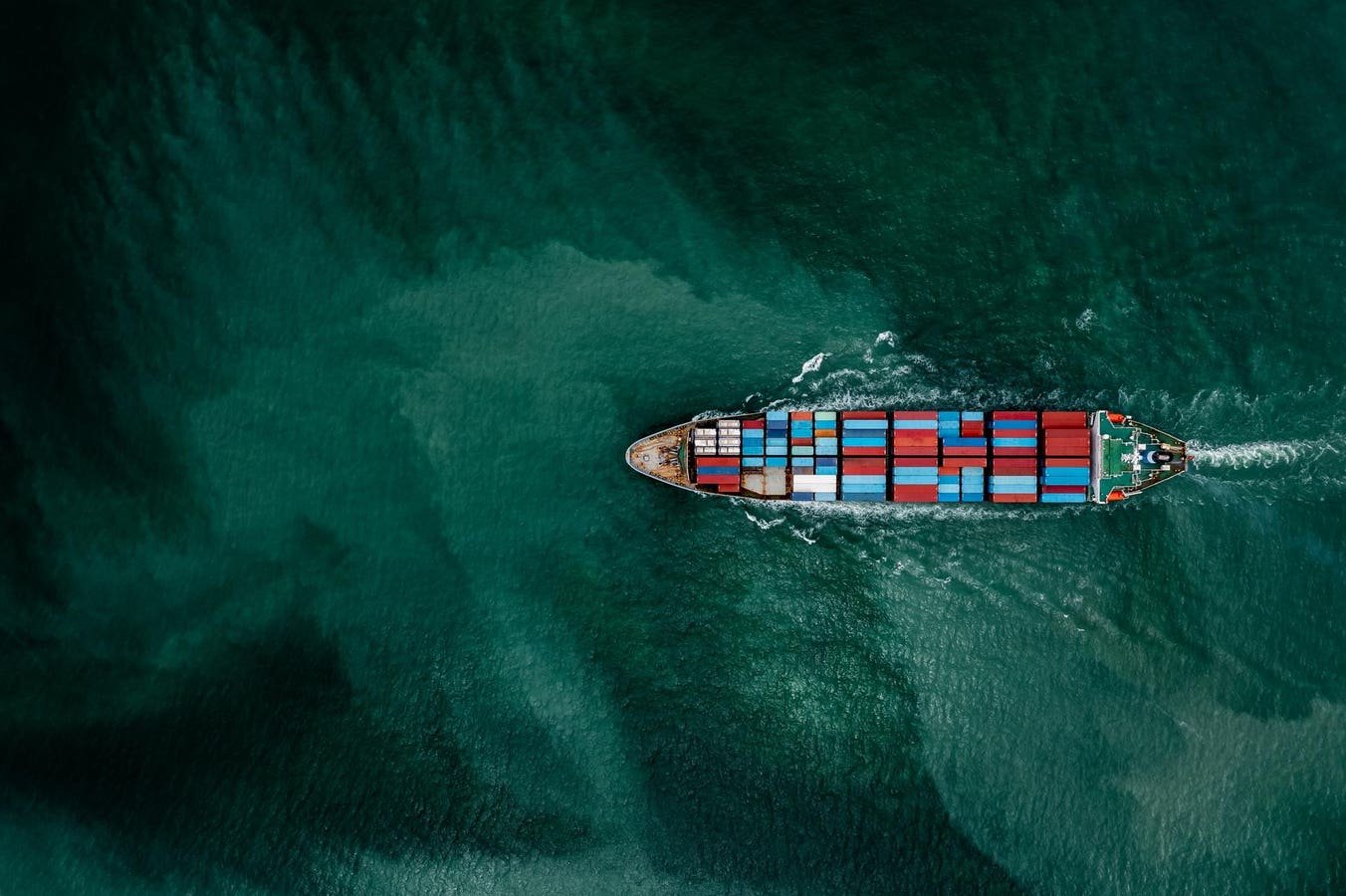
Shipping generates 3% of global carbon emissions
getty
In Belém earlier this month before COP30 got fully under way, UN Secretary-General Antonio Guterres blasted world leaders for failing to keep global warming below 1.5°C. After representatives of the International Maritime Organization failed to vote to adopt landmark regulations to drastically reduce emissions, the omens were not good.
These would make shipping the first sector with binding global emissions targets. After ten years of negotiations, the IMO agreed in April an ambitious target to reduce greenhouse gases by 8-21% by 2030 and 30-63% by 2035.
The IMO package included limits on the level of emissions per unit of energy and setting a global price for marine carbon emissions. Shipping creates three percent of global emissions.
The revenue was to be recycled back into the system to help finance zero and near-zero emission technologies, making the transition costs fairer for poorer countries.
Without the plan, Emissions from shipping could increase by up to 50% by 2050.
But in October, intense lobbying from Washington led to several nations, including China and Greece changing their attitude. THE Financial Times said an IMO veteran who describes the US delegation as “behaving like gangsters”, disrupting proceedings and questioning the presidency. US Secretary of State Marco Rubio later hailed the delay as a “huge victory” for the Trump administration.
What it means for decarbonisation
For IMO and the environment, it’s a setback. But what does it mean for those involved in the shipping industry?
“Norway has been making progress for years in the transition to lower emissions,” says Helene Tofte, director of the Norwegian Shipowners’ Association. Shipping accounts for 10 – 15 % of GDP in Norway.
He believes the immediate impact of the IMO delay on countries like Norway will be very limited. Europe already has the strictest regional regulations and clean shipping targets in the world, and Tofte expects EU countries to continue to meet them.
However, if the transition is delayed, the implications could have a significant impact on shipping companies, creating uncertainty and higher costs.
As Tofte says, “We’ve been asking for a set of global regulations for many years, not just to have some certainty, but so that everyone follows the same regulations. If there are more regional regulations, with one set in Europe, another in China and so on, it will make it much more difficult for the industry.”
Drone images from the port of Thessaloniki, one of the largest Greek ports with an annual traffic of 16 million tons. Greece voted against decarbonisation regulations at the IMO.
NurPhoto via Getty Images
Regional momentum
Otherwise, for innovative companies that have invested heavily in green technology, demand remains strong. Torbjörn Bäck, Group CEO of Swedish battery supplier Echandia, maintains that the market will continue to grow.
“Momentum towards more electrification in shipping remains strong, particularly in Europe and among governments, owners, shipbuilders and operators,” he says.
“The market drivers are higher performance, better comfort and improved safety in many different application areas. For example, fuel economy, providing heavy power levels for cranes and propulsion systems, backup power and many other areas.”
“Regional leadership (for example the Nordic countries, the EU, India, Singapore, part of the USA) is already setting practical examples that others will be able to follow in due course,” adds Bäck.
The push for greater efficiency – such as adding air sails to the decks of cargo ships or using artificial intelligence to streamline operations – is ultimately not just about the environment. It’s about cost cutting.
However, Lloyd’s List journalist Declan Bush argues that de-escalation “leaves shipping in the green purgatory it has become accustomed to”.
The delay adds another layer of uncertainty: navigating multiple regional standards is more difficult than a global rulebook.
More importantly, the real strength of the IMO proposal lay in its redistributive design – channeling revenues to poorer nations most vulnerable to the problems caused by warming. In the Trump-led zeitgeist, is that possible?
Tofte questions the nature of the discussions and plans leading IMO members will have ahead of the next conference, at which the proposal is likely to be re-introduced. “How are they going to try to direct this process? It’s not just about what we would like to achieve, but what is possible to achieve, as the world looks right now?”
If IMO representatives want to ensure that marine emissions are reduced by even 30% by 2035, they may all have to take the gloves off in 2026.


